

Custom patches have become one of the most popular ways to personalize clothing, represent organizations, promote brands, and create unique fashion statements. Whether you are adding embroidered patches to a biker vest, PVC patches to tactical gear, or chenille patches to a varsity jacket, choosing the right jacket makes a major difference in both appearance and durability.
In this guide, we’ll cover the best jackets for patches, the most popular jacket materials, placement ideas, and how to choose the right patch style for each type of jacket.
Why Choosing the Right Jacket Matters for Custom Patches
Not every jacket material works the same with patches. Some fabrics are perfect for sewn-on embroidered patches, while others work better with Velcro-backed PVC patches or heat-applied woven patches.
The right combination helps:
- Improve patch durability
- Prevent fabric damage
- Create a cleaner finished appearance
- Enhance visibility and readability
- Match the style of your organization or brand
Whether you are designing jackets for a motorcycle club, military unit, school team, company staff, or fashion brand, understanding material compatibility is essential.
Best Jacket Materials for Patches
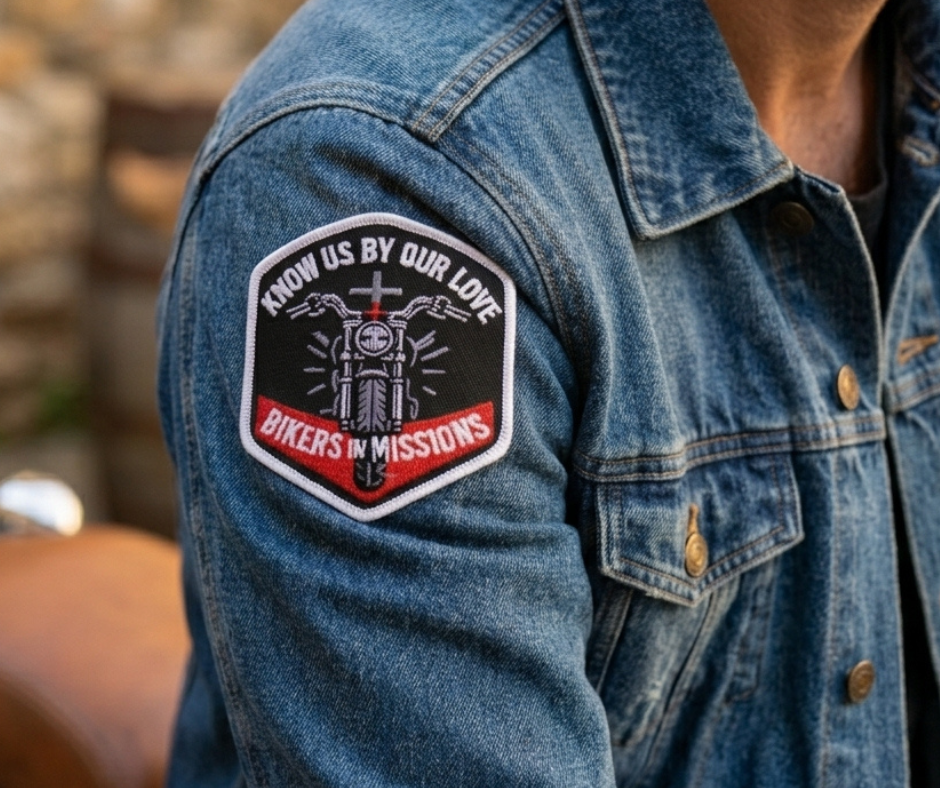
Denim Jackets
Denim is one of the best materials for custom patches because it is thick, durable, and easy to sew through.
Why Denim Works Well
- Strong enough for large back patches
- Holds stitching securely
- Gives a classic vintage aesthetic
- Ideal for music, biker, and streetwear styles
Recommended Placement
- Full back panel
- Chest pockets
- Sleeves
- Upper shoulders
Denim jackets are especially popular for band merchandise, fashion brands, motorcycle clubs, and custom lifestyle apparel.
Leather Jackets
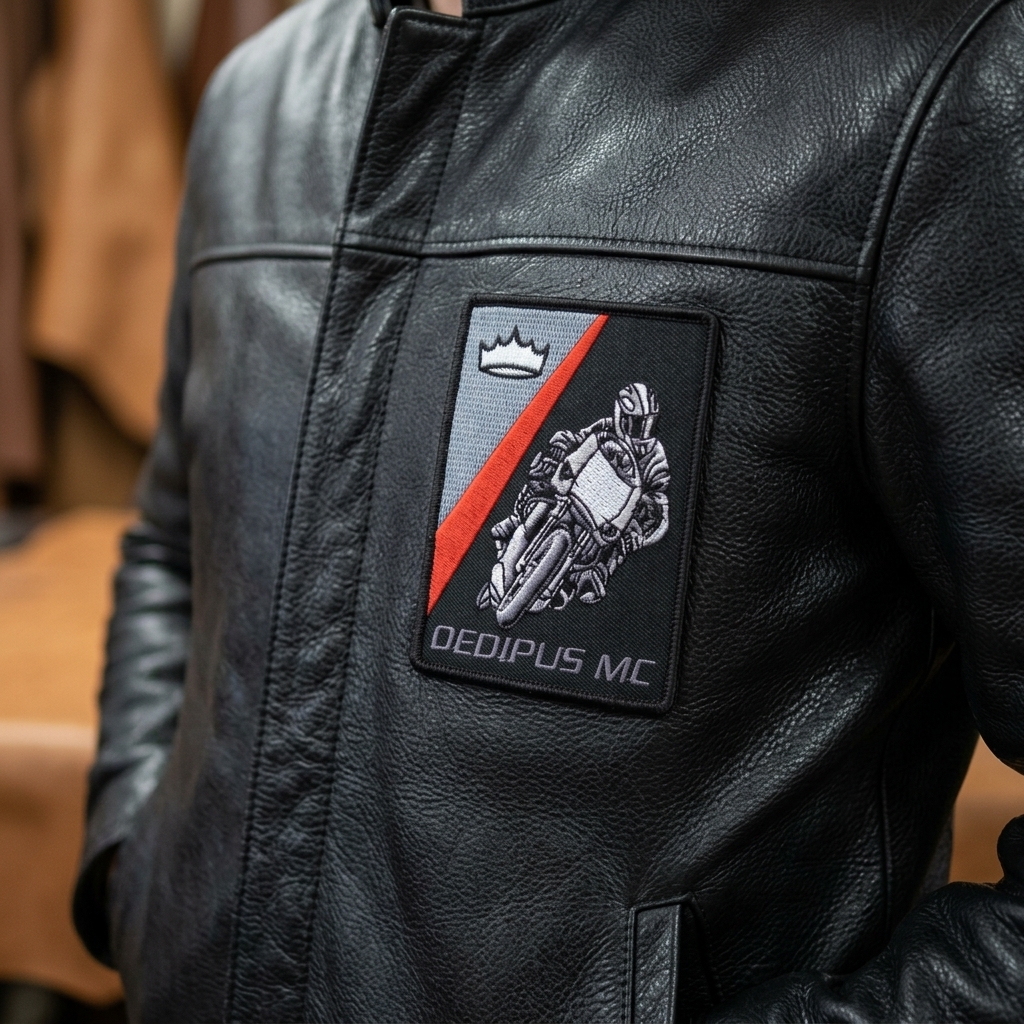
Leather jackets create a bold and premium appearance for custom patches.
Best Patch Types for Leather
- Embroidered patches
- PVC patches
- Velcro-backed patches
Why Leather Is Popular
- Premium look and feel
- Extremely durable
- Common for biker clubs and tactical gear
- Excellent contrast for colorful patches
Important Considerations
Leather can permanently show stitch holes, so placement should be carefully planned before sewing.
Recommended Placement
- Large center back patch
- Shoulder patches
- Sleeve insignias
- Front chest logos
For leather jackets, many customers choose sew-on patches for maximum durability.
Bomber Jackets
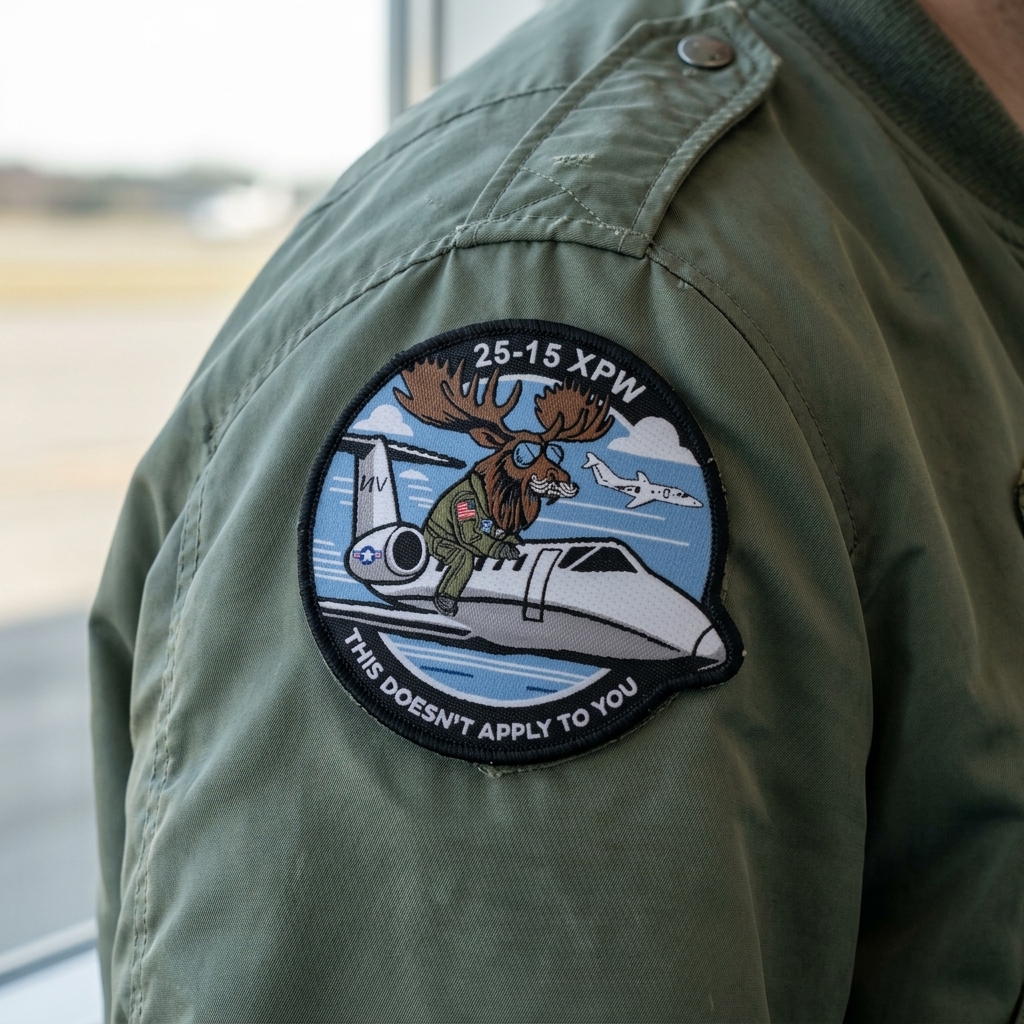
Bomber jackets are one of the most versatile styles for custom patches.
Best Patch Types
- Embroidered patches
- Woven patches
- PVC patches
Why Bomber Jackets Work Well
- Smooth surfaces for patch visibility
- Military-inspired style
- Modern streetwear appeal
- Lightweight yet durable
Popular Uses
- Aviation patches
- Brand merchandise
- Fashion collections
- Company uniforms
Recommended Placement
- Sleeve utility pocket
- Front chest
- Upper arm
- Oversized back designs
Bomber jackets are especially effective for bold, colorful embroidery.
Varsity Jackets
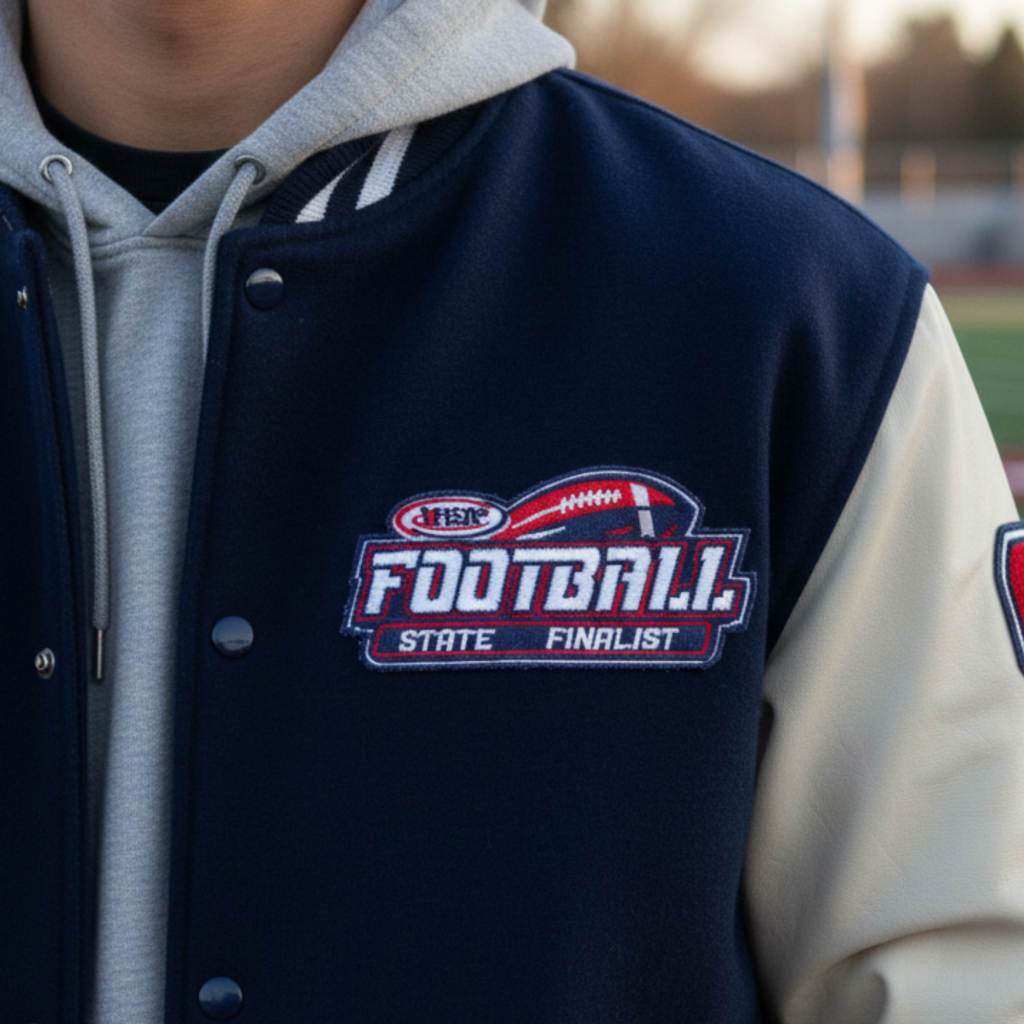
Varsity jackets are closely associated with patches and custom decoration.
Best Patch Types
- Chenille patches
- Embroidered patches
- Felt patches
Why Varsity Jackets Are Ideal
- Traditional patch-focused design
- Thick materials support large patches
- Excellent for school and team branding
Recommended Placement
- Large chest letters
- Sleeve achievement patches
- Back mascot artwork
- Graduation year patches
Chenille patches remain the most recognizable option for classic varsity jackets.
Tactical Jackets
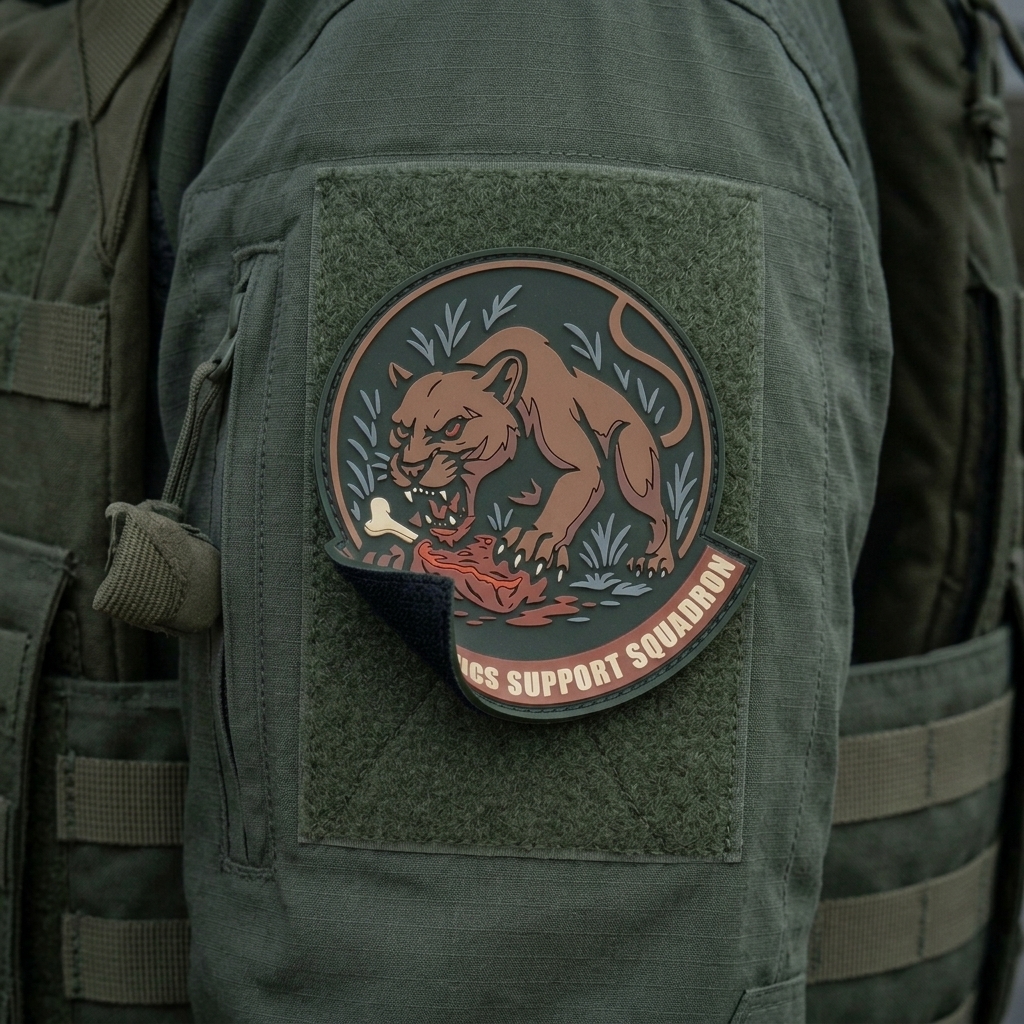
Tactical jackets are designed specifically for interchangeable patch systems.
Best Patch Types
- PVC patches
- Velcro morale patches
- Reflective patches
Why Tactical Jackets Are Popular
- Hook-and-loop compatibility
- Weather-resistant materials
- Rugged performance use
- Easy patch swapping
Recommended Placement
- Chest ID areas
- Shoulder panels
- Upper arm sections
- Front utility zones
PVC patches are especially popular because they resist moisture, dirt, and fading.
Best Patch Placement Tips for Jackets
Patch placement affects both visibility and comfort. Strategic positioning creates a more professional appearance.
Back Panel Placement
Large back patches are commonly used for:
- Motorcycle clubs
- Fashion statements
- Company branding
- Team mascots
The center back offers the largest uninterrupted design area.
Chest Placement
Chest patches work best for:
- Name patches
- Company logos
- Unit identification
- Small branding elements
Left chest placement is traditionally the most common.
Sleeve Placement
Sleeves are ideal for:
- Flags
- Rank insignia
- Achievement patches
- Tactical identification
Upper sleeves typically provide the best visibility.
Shoulder Placement
Shoulder patches create a clean military-inspired appearance and work well for:
- Security companies
- Emergency services
- Team identification
- Tactical organizations
Choosing the Right Patch Type for Your Jacket
| Jacket Type | Best Patch Style | Best Attachment Method |
|---|---|---|
| Denim | Embroidered | Sew-on |
| Leather | Embroidered / PVC | Sew-on |
| Bomber | Woven / Embroidered | Sew-on or heat seal |
| Varsity | Chenille | Sew-on |
| Tactical | PVC / Velcro | Hook-and-loop |
Sew-On vs. Iron-On Patches for Jackets
Sew-On Patches
Best for:
- Long-term durability
- Heavy-use jackets
- Leather and denim
- Large back patches
Advantages
- Strongest attachment
- Professional finish
- Better for thick materials
Iron-On Patches
Best for:
- Lightweight jackets
- Fashion applications
- Quick application
Advantages
- Easy to apply
- Lower labor cost
- Good for temporary use
However, iron-on backing may not adhere well to certain coated or waterproof materials.
Most Popular Jacket and Patch Combinations
Motorcycle Club Jackets
- Leather vest
- Large embroidered back patch
- Rocker patches on top and bottom
Streetwear Fashion Jackets
- Oversized denim jacket
- Mixed embroidered and woven patches
- Sleeve graphics
Corporate Branded Jackets
- Softshell or bomber jacket
- Small embroidered chest logo
- Employee name patch
School Spirit Jackets
- Varsity jacket
- Chenille mascot patch
- Graduation year sleeve patches
How to Make Your Patch Jacket Last Longer
To extend the life of both your jacket and patches:
- Wash jackets inside out
- Avoid excessive dryer heat
- Spot clean when possible
- Reinforce heavy patches with stitching
- Store leather properly to prevent cracking
PVC patches generally require the least maintenance and resist weather better than embroidered styles.
Frequently Asked Questions About Jackets for Patches
What jacket material is easiest to sew patches onto?
Denim is generally the easiest material because it is durable, stable, and thick enough to support stitching without stretching.
Are iron-on patches good for leather jackets?
No. Iron-on adhesives typically do not bond well to leather and may damage the material due to heat exposure.
What patches work best for tactical jackets?
PVC Velcro patches are the most popular because they are waterproof, durable, and interchangeable.
Can you put patches on waterproof jackets?
Yes, but sew-on patches may compromise waterproofing. Velcro-backed patches are often the preferred option.
Final Thoughts: Choosing the Best Jacket for Your Patches
The best jacket for patches depends on your style, use case, and patch type. Denim jackets provide versatility and classic appeal, leather offers a premium rugged aesthetic, varsity jackets deliver tradition, and tactical jackets maximize functionality.
The right combination of jacket material, patch style, and placement creates a custom look that stands out while maintaining durability for years to come.
Whether you are designing jackets for your brand, organization, team, or personal collection, choosing quality custom patches and the right garment is the key to a professional final product.
Ready to Create Custom Patches for Your Jackets?
At Patch Warehouse, we create high-quality:
- Embroidered patches
- PVC patches
- Chenille patches
- Woven patches
- Velcro morale patches
- Custom jacket back patches
Request a free quote today and let our team help you create patches designed specifically for your jackets, uniforms, or apparel line.
